
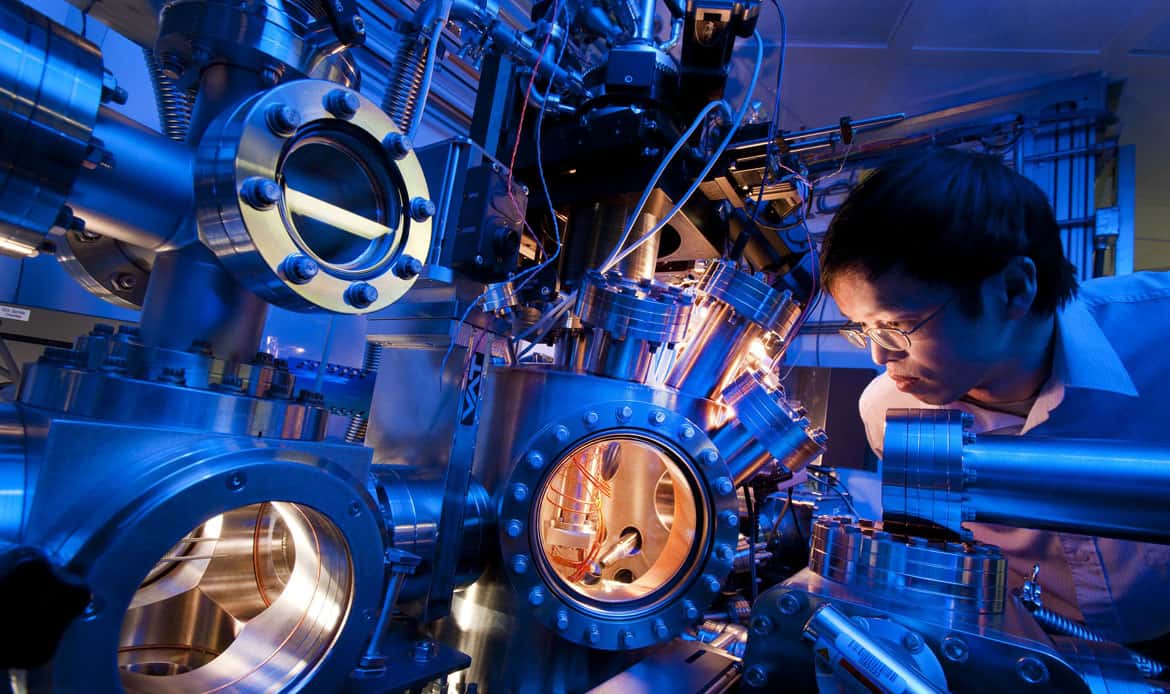
Material engineering plays a crucial role in modern industry and factory operations, ensuring the development of durable, efficient, and sustainable materials that drive industrial growth. From metals, alloys, composites, and polymers to nanomaterials and advanced ceramics, material engineering enables factories to design products that are stronger, lighter, and more cost-effective.
By leveraging R&D, advanced testing, and industrial applications, factories can enhance product quality, improve performance, and meet global standards.
Machine design
Our Solutions
Strengthening Innovation
Factory
Certified Engineers
Best Branding
Work Process
In modern industry and factory operations, the ability to discover and plan effectively is key to maximizing efficiency, productivity, and long-term growth. Factories that invest in thorough process assessment, workflow analysis, and operational planning can identify bottlenecks, optimize resource allocation
Organizing industrial processes begins with analyzing workflows, scheduling production, and allocating resources effectively. Advanced solutions such as automated tracking systems, predictive maintenance tools, and smart manufacturing equipment allow factories to streamline operations, minimize operational errors
Building modern factory systems begins with designing optimized production lines, integrating energy-efficient machinery, and implementing automation solutions. Factories leverage AI-driven analytics, predictive maintenance, and real-time monitoring to ensure smooth operations and prevent unexpected machinery.
Launching new industrial systems begins with thorough planning, process analysis, and resource allocation. By integrating predictive maintenance tools, energy-efficient machinery, and automated monitoring systems, factories can anticipate operational challenges and reduce risks.
Services Report

0
Years Experience
